Category: Slow Trader Hedge Fund

  • Books I’m glad I found

    Books that had an influence on me last year:

    Snip20160107_4

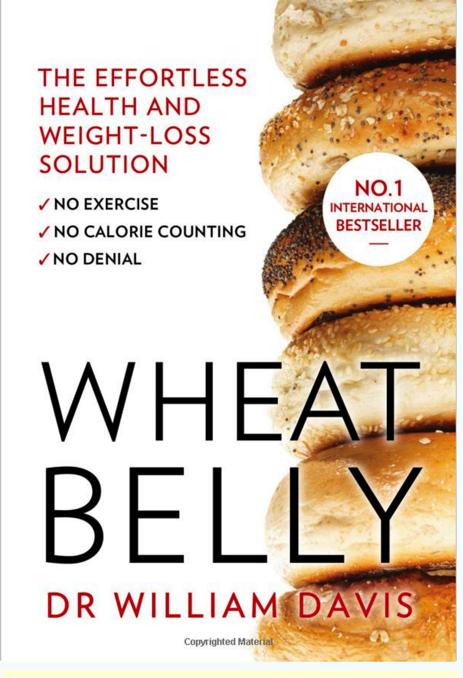
    I noticed this while browsing the book store early last year. My son, a serious tennis player, was considering a gluten-free diet. I read it cover to cover (twice) and it changed what I eat.

    Snip20160107_5

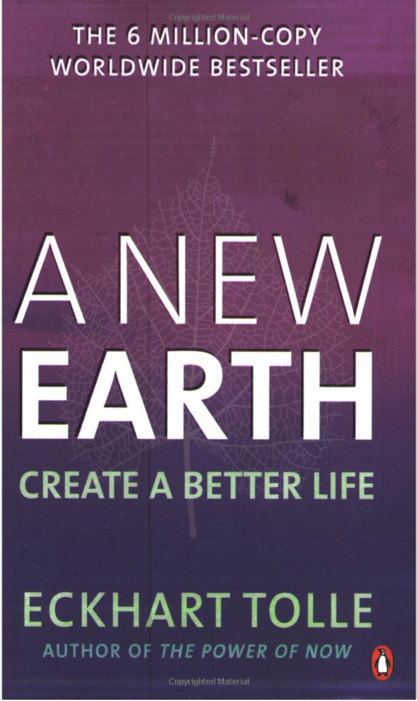
    I read ‘the power of now’ first, but the above book is (I think) better. As Eckhart says early in the book, this is either an idea we’re ready for or we’re not. A principle taught since The Buda.

    Snip20160107_7

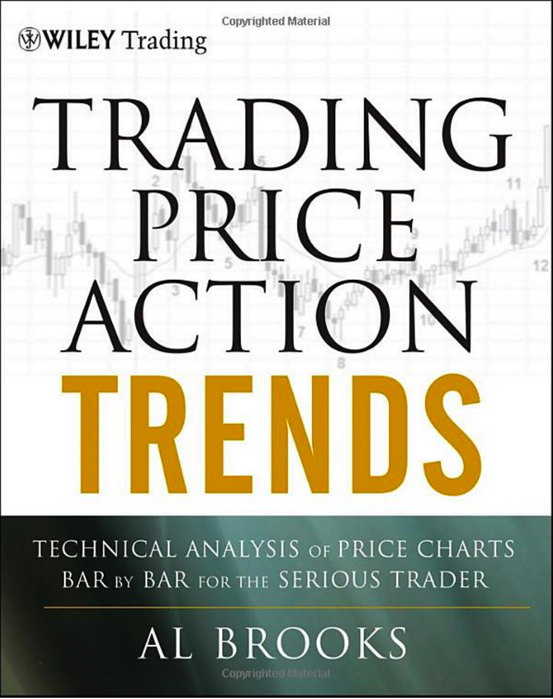
    I have read, watched and listened (several times probably) to most of what Al Brooks has produced. It is material for the serious trader. It doesn’t come easy, several hundred hours of work, but its the best I’ve found on price action trading.

    ….not entirely obvious, but each of these have helped (one way or another) with my trading.

  • How big is the currency market?

    Just how big again is the currency market, the one that we, mainly, trade?

    Glad you asked. Lets take a brief look.

    As we know the currency market trades 3 to 5 (could be more) trillion every day. But what does that look like…

    As a thought, if everyone on the planet liquidated their assets, that is cashed-in all their worldly possessions (a foolish notion I know, because when a certain amount of people cashed-in, the remaining processions would quickly become worthless – but play along)

    And processions were taken at current value, property etc., and all debt was repaid, then the cash value on the planet would be in the region of 247 trillion. So we can see that 5 trillion on the currency market, on a good day, is not unsubstantial.

    Indeed, every 10 to 16 trading weeks the entire monetary value of the planet is traded via currency markets.

    On a weak trading day we said that 3 trillion is traded daily. So what does that amount look like. In approximations, it’s a little more than the combined value of all domestic property in the UK.

    Thanks to Nick for the information.

  • Be a trader, or a 30 year investor

    Let me be clear as to where we should put our money and over what time frames. Here are the options:

    1. Put invested money into shares with a view of keeping it there for 30 years or more
    2. Have a traders account, intraday out to a few weeks
    3. Between a traders account and the 30 year hold, invest in accounts that are balanced with stocks and bonds

    There we are, it is really that simple. The 30 year option means that if we choose a great company to invest into, and we buy that company’s stock at a great price, then all of that, coupled with compound interest, will give us a wonderful return. Moreover, we are not overly concerned by market crashes at this hold timeframe. Indeed a market crash simply provides an opportunity to add more stock to the portfolio.

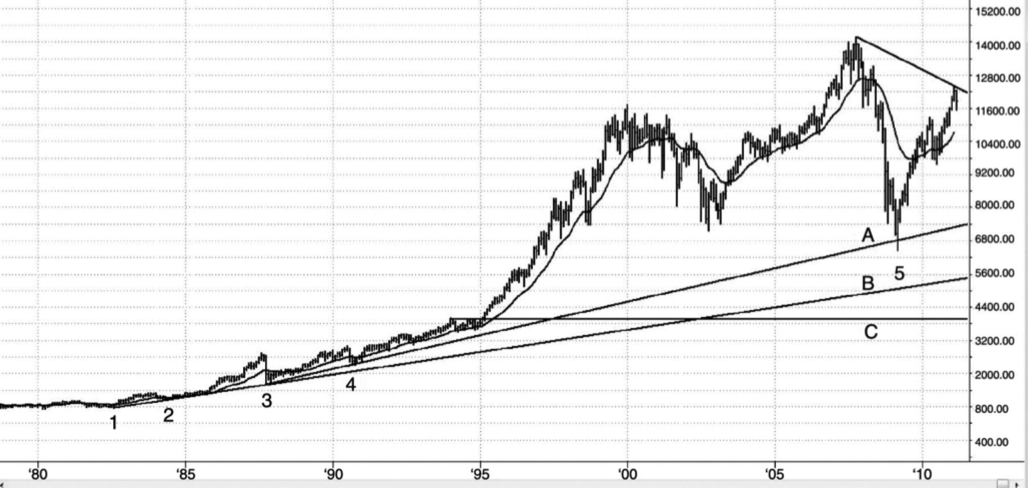
    Here’s a simple chart the shows how the market often returns to trend lines:

    Snip20151230_3

    Not so obvious on this scale, but the market crash shown at points 1 and 2, with a trend line drawn between them (B) was touched by the 1987 crash at point 3.

    The trend line (A) drawn between the 1987 crash and the 1990 low was touched by the 2009 bear market before it reversed up.

    The market may very well gain a new high, that is above the high of 2007, however, a pull back to a trend line, either line A or even line B, is a 60% probability. A pull back to line C is unlikely.

    A 30 year investor, in great companies bought at a wonderful prices, will not be effected. Also, a good trader will mostly find profitable trades in such a scenario.

    The in-between investor, between a traders timeframe and that of the 30 year investor, that has not got a balanced portfolio of stocks and bonds, is, well…screwed!

    Happy New Year

  • Reading music simile

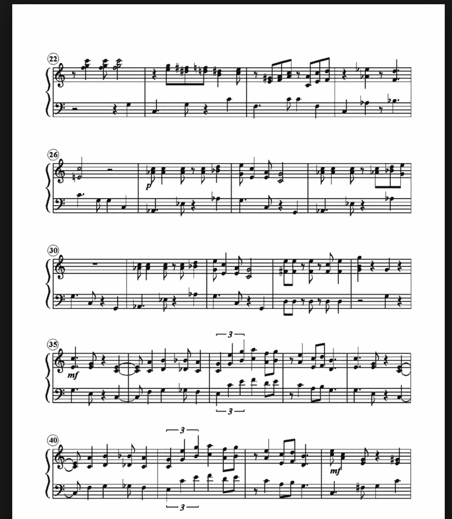
    If I were to liken trading to music then the trade chart (entry) would be the sheet of music and the trade management would be the chosen instrument, tempo and volume.

    Snip20151219_1Snip20151219_2

    If the next note were hidden then the probability that a musician could play a few follow-on notes, based on melody and rhythm, would be high.

    The same is true of price action trading or raw chart reading. There is a context to the chart that could be considered similar to music. That is the trade entry.

    How big an instrument we choose, drum or flute, and how much we bash or blow is representative of trade management.

    Understanding the flow of the music is necessary (the trade entry), but if we are to stay for an encore, then the point above (the trade management simile) is more important.

    One other consideration however, if a trade chart were music then, more often than not, it would be acid jazz.

  • What is our edge?

    Bernadette Jiwa wrote in her wonderful book Meaningful, “everything you’re striving for is a by-product of something else – something bigger”.

    A traders profit is a by-product of:

    1. Trade management
    2. Trade entries

    And it’s in that order. Management of a trade is more important than knowing where, when and how to enter a trade.

    A beginner will find this hard to grasp; they will alternatively concentrate all efforts on finding a good trade entry and largely disregard the management of the trade.

  • Chess and trading bars

    Trading can be compared more easily to chess than to…  say, poker. That is because, as with chess, trades are made with all the previous moves in clear view.

    Also, as in chess, all previous moves when trading have a certain degree of relevance and effect –

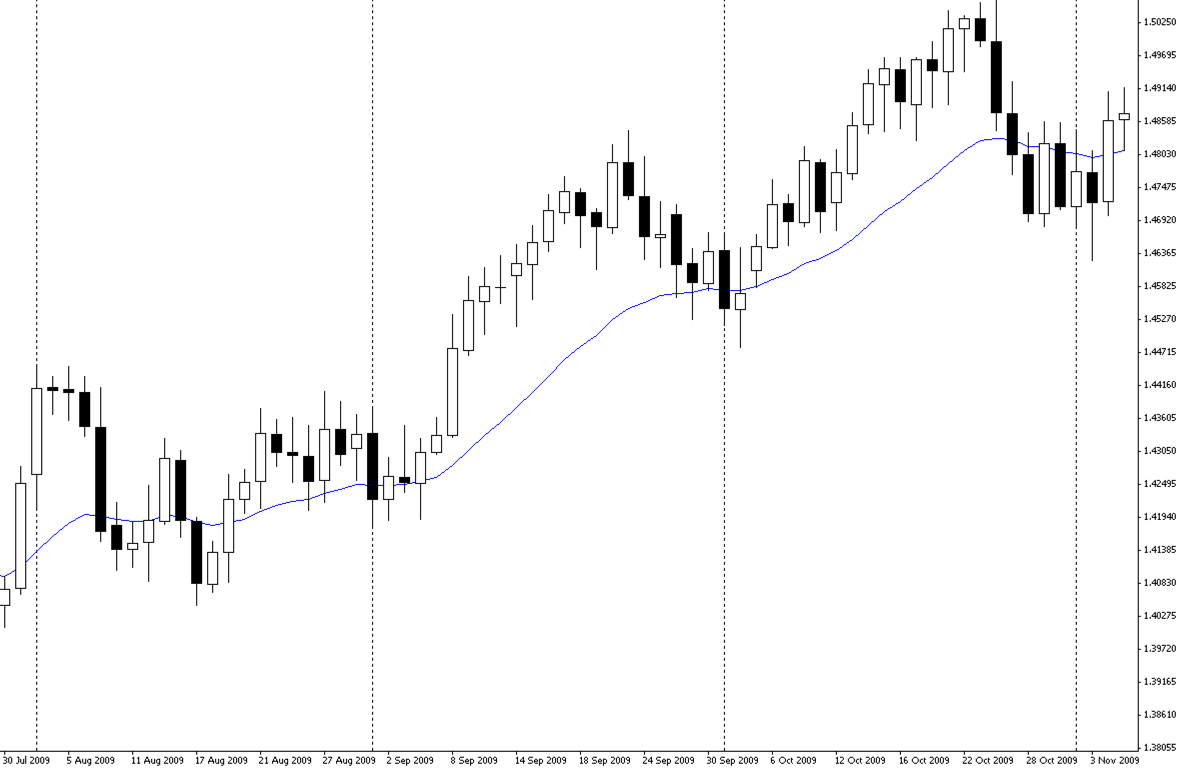
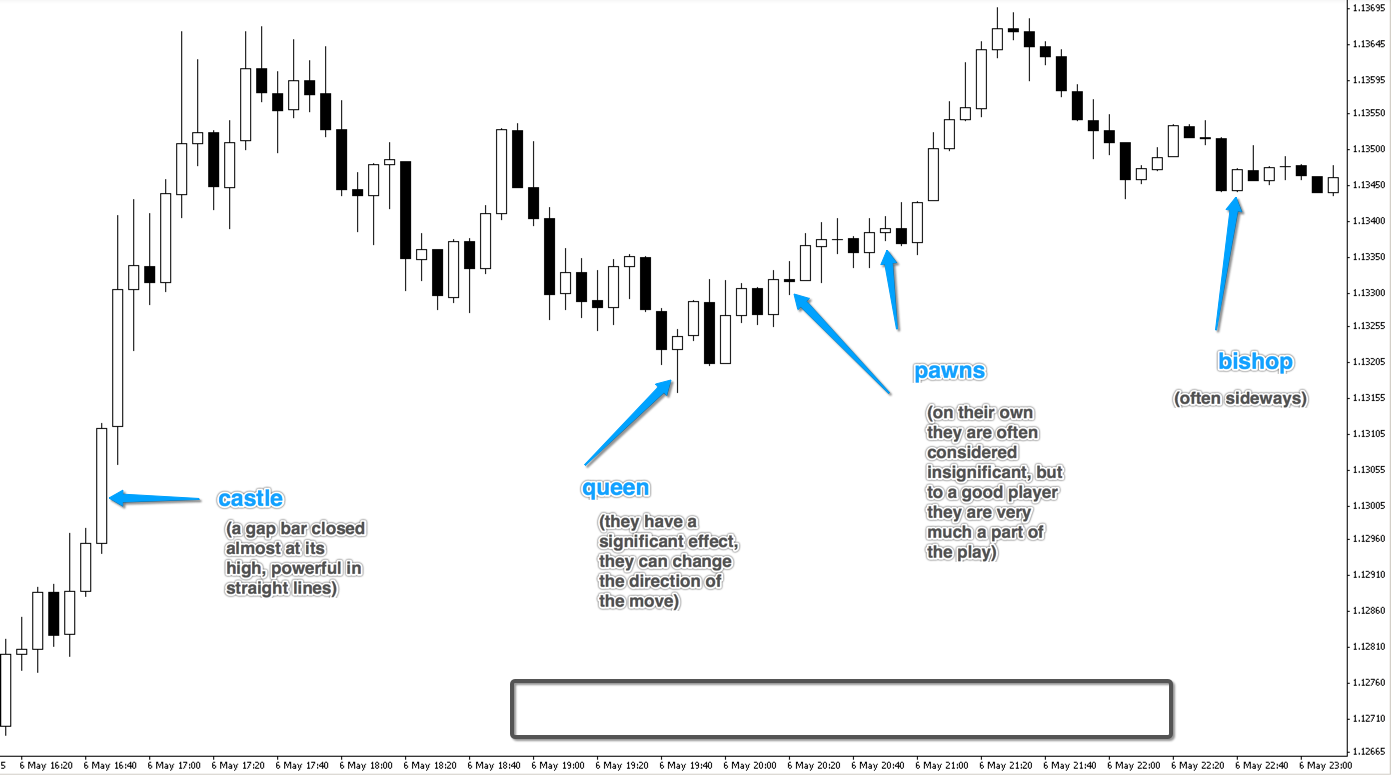
    ….moreover, each trading bar has a certain characteristic, a certain force, a certain power; as do individual chess pieces – the pawn versus the queen for example. The chart below asks: are there simularities to chess?

    Snip20151211_30

    Trading bars don’t, of course, have nice horse’s heads on them, to let us easily differentiate between the knight and the less capable pawn. However, each trading bar is, in its own way, just as distinctive as the carved chess piece.

    When we know these trading bar distinctions we have a chance at winning. But, as in chess, a game is not won by just knowing the capabilities of individual chess pieces. We need, more importantly, to know how the individual pieces (or bars in trading) support each other – the context – the confluence.

  • How to invest

    I have written about investments before. But it is worth going over again.

    The problem is the medium term investment area. Where most of us have our investments. Mutual funds, pensions and the like. This is the near term to 25 year investment timeframe.

    The investment area that works, if done correctly, is following Warren Buffet’s example of investing in undervalued stocks and holding for more than 30 years, indeed he doesn’t sell.

    The other area that works, but is difficult to master, is the very short-term stuff. I cover this every week in this blog.

    Okay, we have only two time-frames that we can invest with confidence: the very long and the very short.

    Why does the middle investment area not work? because of market volatility and the probability of a market crash within that time frame.

    A market crash for the Warren Buffet model, the very long-term investors, is just a blip in the big scheme of things. Not a problem. In the Buffet model we go through many crashes and use them as opportunities to add more stocks.

    A market crash for the day traders and daily chart readers (like myself) is not normally an issue because the signals of a crash will show on the day and get out stops are very tight for these type of investors. Actually, for these guys, if they’re good, a crash is a big payday. They’re taking it all from the mutual funds.

    For the Warren Buffet followers among us we need excellent fundamental information which we review annually. This information we’ll cover in another blog.

    On the other extreme, the short-term investors, day trading and daily chart reading, is not for everyone.

    So that leaves us back with what to do about the middle timeframe investing problem.

    If we have to be a middle term investor then avoid the traditional, heavily biased towards stocks, mutual funds.

    Watch carefully where the mutual fund invests. Few funds balance investments between cash, stocks, bonds and commodities. Funds that do this, and not being more than 25% invested in stocks, are extremely steady funds and good medium term investments.

    If we do have to go the mutual route then costs are a big factor. For every 1% that we pay a mutual fund will result in 20% to the fund managers over the medium time frame. Look for a cost of around 0.5%, no more. Same goes for pension funds.

    The majority of mutual funds, however, invest more heavily in stocks and most don’t beat the index. These mutual funds are in the danger zone. When a stock crash happens the fund profit and much of the capital is wiped out. Allow several years to get back to neutral. Not a lot of fun.

    So, if we have to invest in the middle term investments then look for: a fund (mutual and pension) that has low fund costs; and an investment portfolio that balances bonds, cash, commodities and stocks – and is particularly light on stocks.

  • Monthly Slow Trader Fund update – 5th December 2015

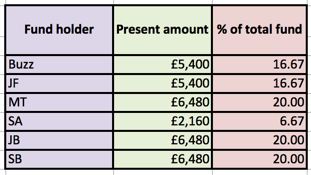
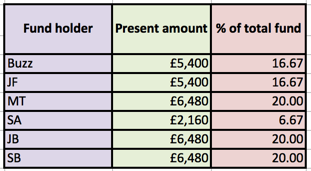
    Slow Trader Fund is up by a total of 8%. Here’s individual positions:

    Snip20151205_29

    You may recall from recent posts that I’m spending more time developing day-trading abilities. That is: trading from the 5 minute chart.

    Slow Trader is a daily chart fund. This has not changed.

    However, development of day trading technique will be of great benefit to the fund.

    That is because price action in each time frame is similar. Trade management, trade frequency, assessment time and pressure are different.

    Trading in the 5 minute chart demands a constant (all day usually) watch of the chart. My style is to watch only one chart when in the 5 minutes. And from this one chart there are usually many opportunities in the day to trade.

    In contrast, far fewer opportunities are available for trades from the daily chart. Therefore, usually a number of different (daily) charts can be analysed.

    A successful day trader (and I mean the 5 minute chart, as the one minute chart is intense and draws a trader down the path of extreme scalping rather than – my prefered – trades which are broad scalps and swings) can profitably trade the daily charts.

    The same is not true in reverse.

    The benefits for the fund in my being able to trade the 5 minute charts is exponential.

    The New Year goal for the Slow Trader Fund is growth at a monthly rate of 5% to 10%. Ambitious but, I think, doable.

    Next fund update is 6th February.

  • Master one method

    I get asked such questions as: what is the best trading system? What time frame should I trade? What should I trade: forex, stocks, commodities?….and a few others.

    To each of these I have found that it is a very individual thing. We each have a preference for what we consider is right for us.

    I have found, however, that the simple approach is best. Master one method.

    In the lower time frames get to know one chart (really) well and trade that chart only.

    Day trading requires undisturbed focus. Therefore lower time frame trading is not for everyone. A higher timeframe, such as daily charts, is a more appropriate place for most.

    Mastering a system or method does not happen over night – It took me several years to be able to make any contribution as a combat pilot – The same is most certainly true of trading.

    A successful trader needs to have enormous amounts of patience and perseverance.

    As to what to trade, our chosen system or method will guide us. Some methods are more appropriate for forex and some for stocks and shares. It doesn’t matter, as long as we understand it.

  • Weekly Diary – Slow Trader Fund 28th November 2015

    Here’s a potential trade from the middle of this week that, for one reason or another, I did not take but one that I think illustrates the potential of Price Action Trading when done well:

    Snip20151128_26

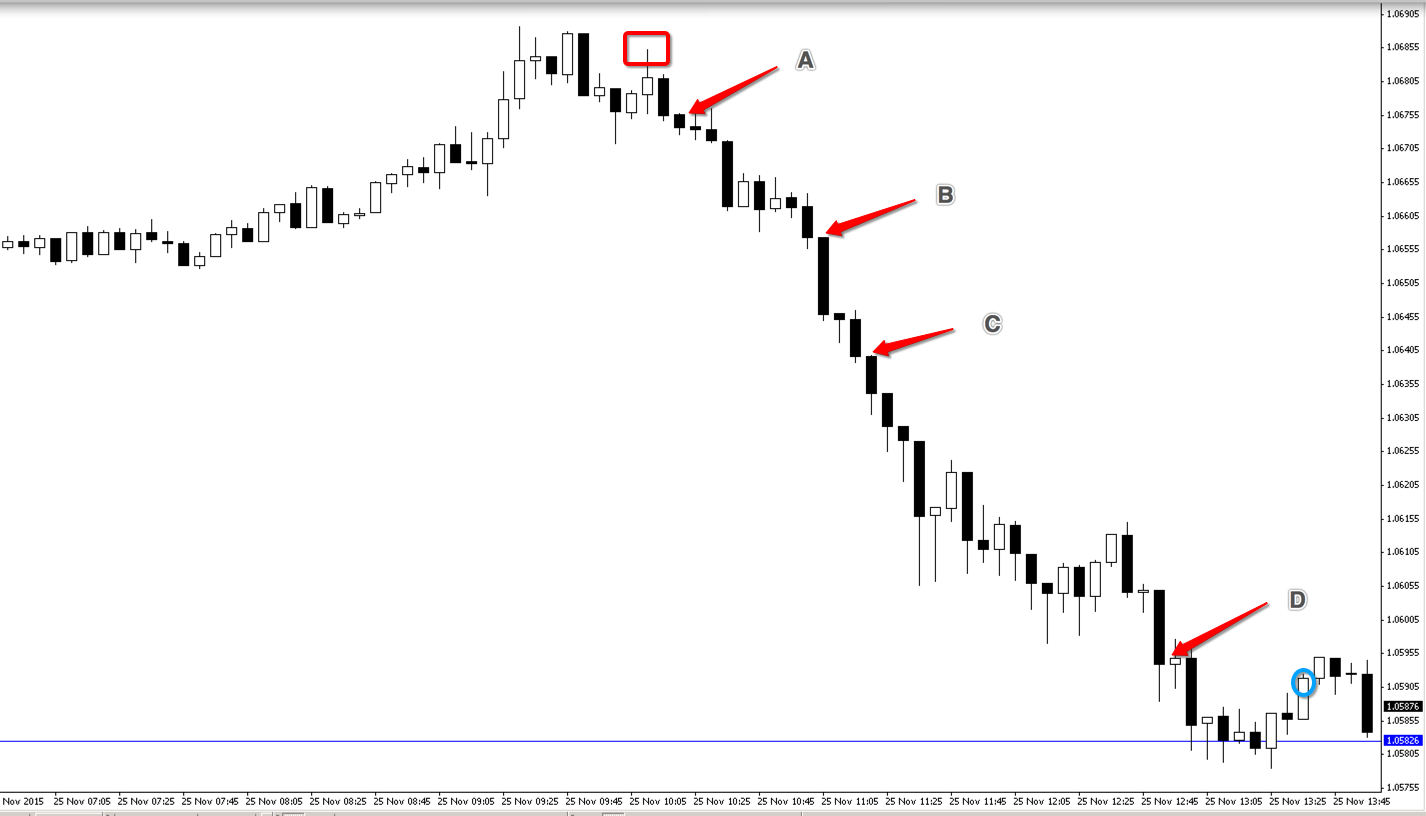
    This is the EUR USD 5 minute chart for Wednesday 25th November. The red square was at 8 am (UK time). For the watchful this showed itself as a major trend reversal (MTR) or a lower double top. (There is nothing major about a MTR because in a higher time frame, say the daily chart, this is just a medium-sized doji bar of no spectacular context).

    However, on the 5 minute chart a good sell (or short) position was shown at position ‘A’. MTR’s, such as we have here, have a probability of about 40% in working. Therefore it is more than likely that we will lose our money. With this in mind, we need to manage our trade accordingly. That is, trade an amount that we can afford to lose. Placing a trade at ‘A’ we would have a stop (a position we will get out with a maximum loss) just above the highest bar. About 20 pips away. Lets say our maximum trade in this situation is £9 per pip, therefore we have a 60% chance of losing £180 – plus the spread so we’ll call it an even £200 risk.

    We have to be confident with our read of the charts. At position ‘B’ we are provided with an opportunity to add to our trade. If we do so we could place an additional £9 trade with our stop now for both the ‘A’ trade and the ‘B’ trade at the opening (original) position of our trade at ‘A’. That is: we have a break-even stop for our first trade and again about a £200 risk for our second, or ‘B’, trade.

    We then follow the same sequence of events at ‘C’ and possibly again at ‘D’. We would exit the whole lot at the blue circle. To be fair I would probably have managed the trade on the way down and exited some of my trade earlier, just below ‘C’. However, you probably get the message.

    Trading a MTR is only one of many strategies. A MTR is high risk, no better than a 40% chance of success, but the reward compared to the risk is high. In this case the reward was 4 to 1 for the initial trade. The potential return from this trade, if managed correctly, and with entries as I’ve suggested, was in the region of £1700. That is assuming that the trades were held all the way to the blue circle and that the trade at ‘D’ was exited at break even.

    Not a bad return for a mornings concentration.

  • Trade without ego

    Eckhart Tolle’s excellent book ‘a new earth’ explains ego beautifully. His spoken version – where Eckhart is also the narrator – is the best.

    To trade without ego is a necessary but difficult goal; to do so, of course, is to trade without emotion. Loss is part of the trading game and the successful, professional trader manages loss with the same detachment as she manages wins. Without emotion.

    Don’t get me wrong, the unexpected ‘grand’ win will come along, so allow ourselves a small celebration. However, the professional trader manages each trade with a (egoless) positive traders equation in mind, an approach that will never have the need for commiseration.

    To achieve a positive traders equation – an equation that includes risk, reward and, the often forgotten about, probability – is everything. Fear, greed and overconfidence are all parts of the ego. And, ego messes up our ability to recognise probability.

    However, with understanding, determination and practise, as in all our endeavours, we can largely eliminate many of the damaging characteristics of the ego. To do so, certainly in trading, we need to train ourselves to be aware of these emotions and manage them correctly. Eckhart says that to manage ego we simply need to be aware of it and be in the present – that is, be in the now.

    Taking a trade, for example, based on making up ‘lost ground’ is trading based on the past; or more accurately, based on the ego. It doesn’t work!

  • Weekly Diary – Slow Trader Fund 21st November 2015

    What makes an outstanding tennis player, card player, chess player…? Its many things but removing ego and emotion are high on the list. I was lucky to watch some of the World Tennis Finals live at the O2, London, this week and the very best (Federe, Djokovic, Nadal) limit their emotional highs and lows when playing. Trading is no different. I have to leave emotion and ego out of it. When I analyse my errors this week all but one are due to emotion. The emotion of over confidence, usually after I’ve had a good win.

    One way to limit emotion is knowledge. Real understanding of how to read the market through price action. I trade for several hours per day but back test trades each day for a similar period.

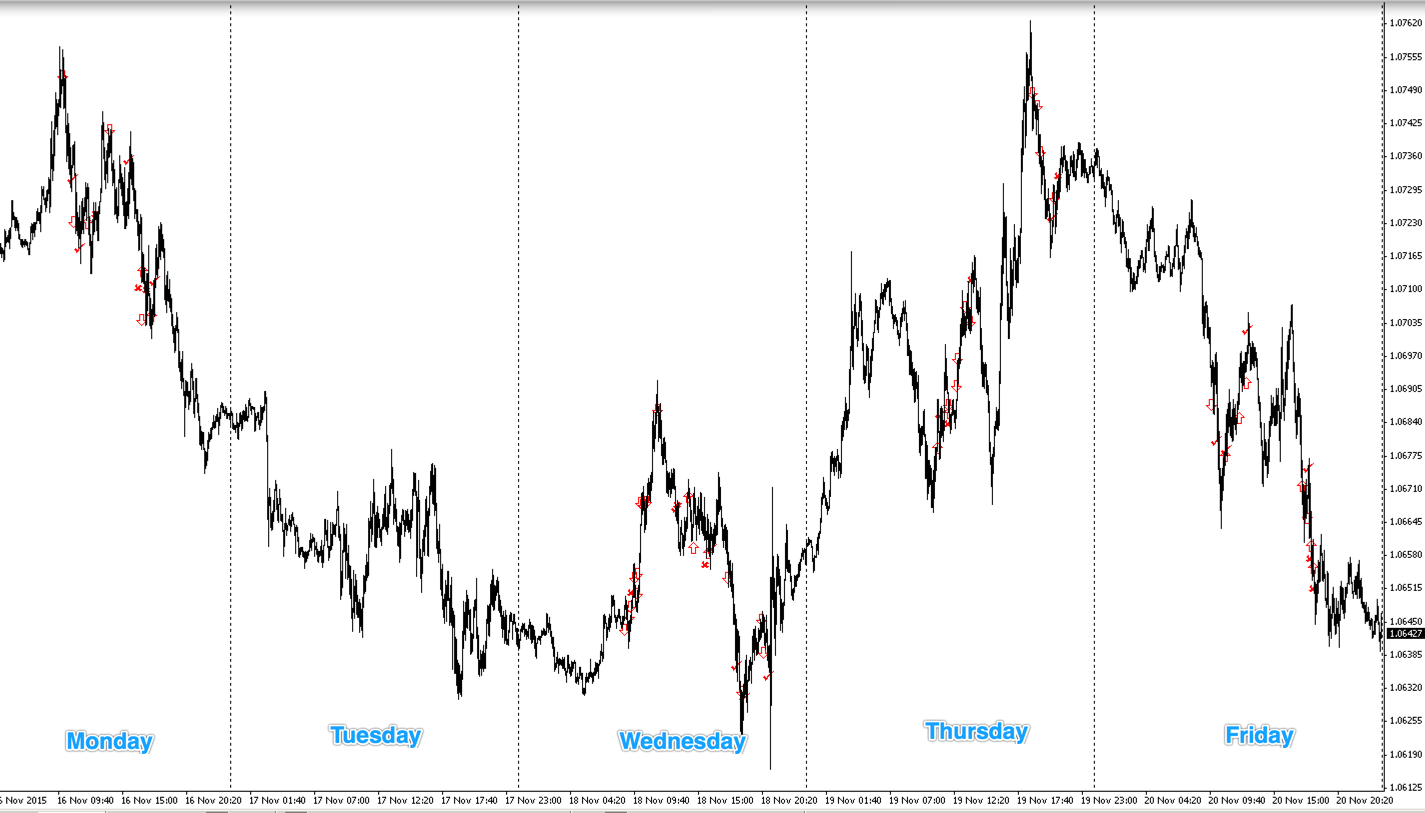
    Here is a blown out chart of this week on the EUR USD 5 minute chart:

    Snip20151120_23

    As we can see from above, each day provides many opportunities for success if we’re reading the chart correctly – or losses if we’re not. If we’re patient, balanced, calm, focused, not distracted and we really know what we’re doing then there is a chance of winning. But bring emotion into it and it can all go wrong very quickly. Sure that happens to the best of us from time to time. If it does, walk away. Go and watch tennis. Actually that was not the reason I went to the O2, I go most years. But trading the next day, or indeed after any short break, I need to start back slowly. Sit back, take a long look first before trading. The edge is a precious and small thing, it needs protecting.

    Why is trading difficult? Because there is so much money involved it attracts the very brightest. And, as with chess or all the games mentioned above, we are always matching up against someone. When we take a trade there is always someone (or more than likely some sophisticated computer algorithm) that is taking the opposite trade. That is how it works. Therefore to win we need an edge that is preferably unemotional.

  • Price action or fundamentals

    As previously mentioned, I’m presently focused on trading 5-minute charts EUR USD. To master price action trading, and with a low time chart such as the 5 minute, takes all my undistracted concentration. I think that, most, professional traders use price action. Some may voice that they also use fundamentals and certain indicators, but when it comes down to the profits it’s usually price action, in some form, that’s responsible.

    My trades on the 5 minute charts last from a few minutes to usually no more than an hour. Therefore, fundamentals have no influence. Although some traders consider fundamentals, they are generally the ‘go to’ consideration of the investor rather than the trader. An investor can be considered as a longer-term commitment, a duration where the fundamentals have time to take effect – many months to years. I studied fundamentals for several years. However, I now feel that even the highest term charts, such as weekly’s or monthly’s, are (primarily) influenced by price action and therefore ‘technical’ rather than ‘fundamental’ reasons. That is because price action is a measure of psychology in the market – such as: fear, greed and confidence.

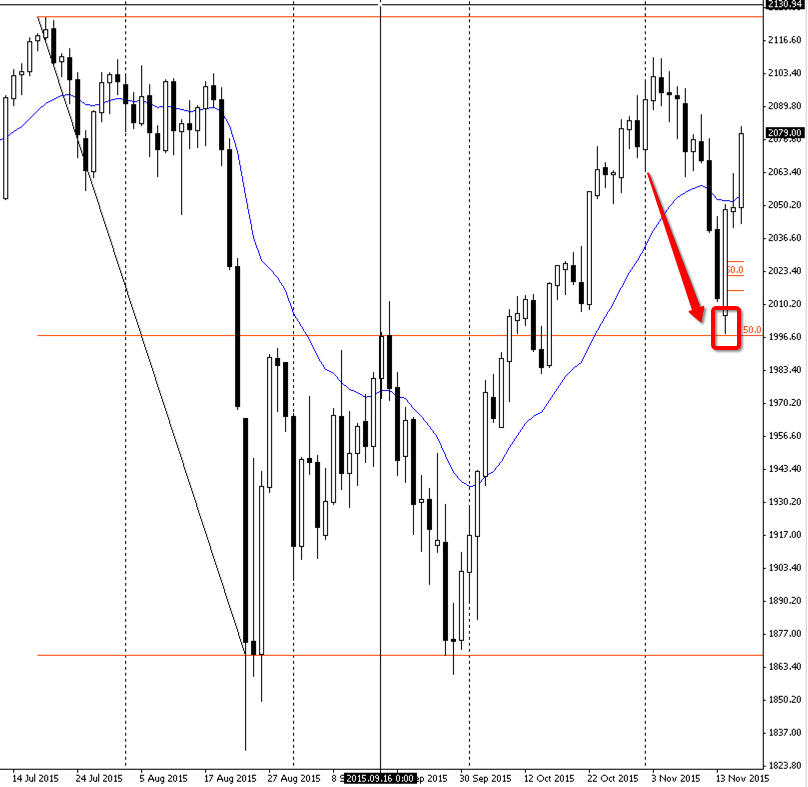
    Notice below how the recent attacks in France effected the S&P 500. Notice also that the drop, before the S&P’s quick recovery, bounced off a 50% retrace line. A line that I had drawn on the chart several weeks ago. This is a part of price action, the context, and is known as a measured move. Often this measured move is exact – whether it’s a 5 minute chart or a daily chart as the one below. The news (France) moved the market, but price action told it where to go too.

    Snip20151118_22

  • Weekly Diary – Slow Trader Fund 14th November 2015

    As the week progressed the trading opportunities in the 5-minute chart EUR USD went from frustration to good to ideal.

    As the week started good ‘scalp’ opportunities were taken within a tight trading range (shown by the thin red line below). However, on a final-buy (shown by the blue arrow below) I got it wrong; not with the trade, as this happens and I’m happy to take a small loss, but wrong because I left it too late to exit. This took away all that days good work, and a bit more. Frustration.

    Snip20151113_18

    Trading is such that I need to be 100%, or, sensibly, I don’t trade. The edge is too small to do otherwise.

    The middle of the week, shown below, was cautious but good with a few successful short sells and no losses: a short-sell is a trade that profits from the market price going down.

    Snip20151113_19

    The ideal trade came with a ‘swing’ trade at the end of the week.

    Snip20151113_20

    Late in the evening the EUR USD chart provided three pushes up, usually a sign of a final move, with the final move up being an exhaustion bar (a bar that is usually bigger than recent bars). This provided the high at the red box above. I took a short sell near the high with a buy back at the blue box. This more than made up for the error early in the week.

  • How big is the FX market?

    Most of my trading time is currently in the Foreign Exchange (FX) market, so here’s a potted version of what it’s all about:

    The FX market is a decentralised global market for the trading of currencies. It is by far the largest market in the world with an average turnover of some USD$4 trillion per day.

    The main participants are the larger international banks.

    Snip20151111_17

    And, the largest Financial Centres for these institutions are London and New York.

    The FX market also comprises smaller banks, hedge funds, high frequency trading firms and the smaller trading firms/individual traders. Market share of all the smaller traders together is not more than 5% – but growing.

    Trading is around the clock. Thank goodness the market is closed at weekends.

    Most FX trading is speculative, that is the person or institution that bought the currency has no plan to take actual delivery of the currency; rather they were just speculating on the movement of that particular currency.

    The large majority of currency turnover (roughly three-quarters) involves the United States Dollar (USD), next (but a third of the size) is the Euro (EUR), then the Japanese Yen, Pound Sterling, and further down is the Australian Dollar, the Swiss Dollar and the Canadian Dollar. The remaining currencies have a very small representation when compared to the USD.

    As I currently trade the 5-minute charts, I prefer to trade just one currency pairing: and for me its the EUR USD.