Tag: USD/CAD

  • A chart mix

    My mother missed her step coming off a pavement and fell and broke her hip. She is doing remarkably well and I look forward next week to getting back to my trading, I’m a couple of weeks behind.

    Trading GBP/JPY on the 5 minute charts works well for me. I like the size of this market and on many days GBP/JPY can be quite defined. Anyone familiar with EUR/USD or even GBP/USD will find GBP/JPY quite lively.

    Many that trade major pairings will not take the spread into consideration, a mistake I think, but not a big one. Particularly if they trade from 15 minute charts or higher. GBP/JPY however, on a lower time frame, teaches us the necessity to consider the spread. To do otherwise, and be consistently profitable, is more difficult – I think.

    To make the best of both possibilities I’m happy with my results of concurrently trading GBP/JPY on the 5 minutes chart (as the priority chart) with a watch on USD/CAD, Gold and EUR/USD – each of which are on the 15 minute chart. I tried many possibilities but these choices give me good opportunity, diversity, liquidity and a spread value that I prefer.

    For example, GBP/JPY does not work with GBP/USD as both react almost in unison. Moreover, oil is often a mirror image of USD/CAD: so to trade one would have too much influence on the other. I do find that Gold and EUR/USD often have similar movements and on such days I consider a swap to AUD/USD or (and I’m in the early stages of this) the US 500 SPTRD.

    Other FX pairings, and particularly exotics, are not considerations for me. Primarily due to spread but also we are dealing with randomness and probability, and we don’t need big uncertainty too. As already mentioned, I’ve looked carefully at the US 500 SPTRD and this is a possibility on the 15 minute chart with good liquidity once the US market has opened.

    To trade the fund on the 4-hour charts is not possible (for me anyway) with already four intraday charts to manage. If my results are what I know they can be (and so far so good) over the next few weeks I will consider how to join the slow trader fund within this – more intensive – methodology.
  • Copper, Gold, Silver, Crude Oil and USD/CAD this week

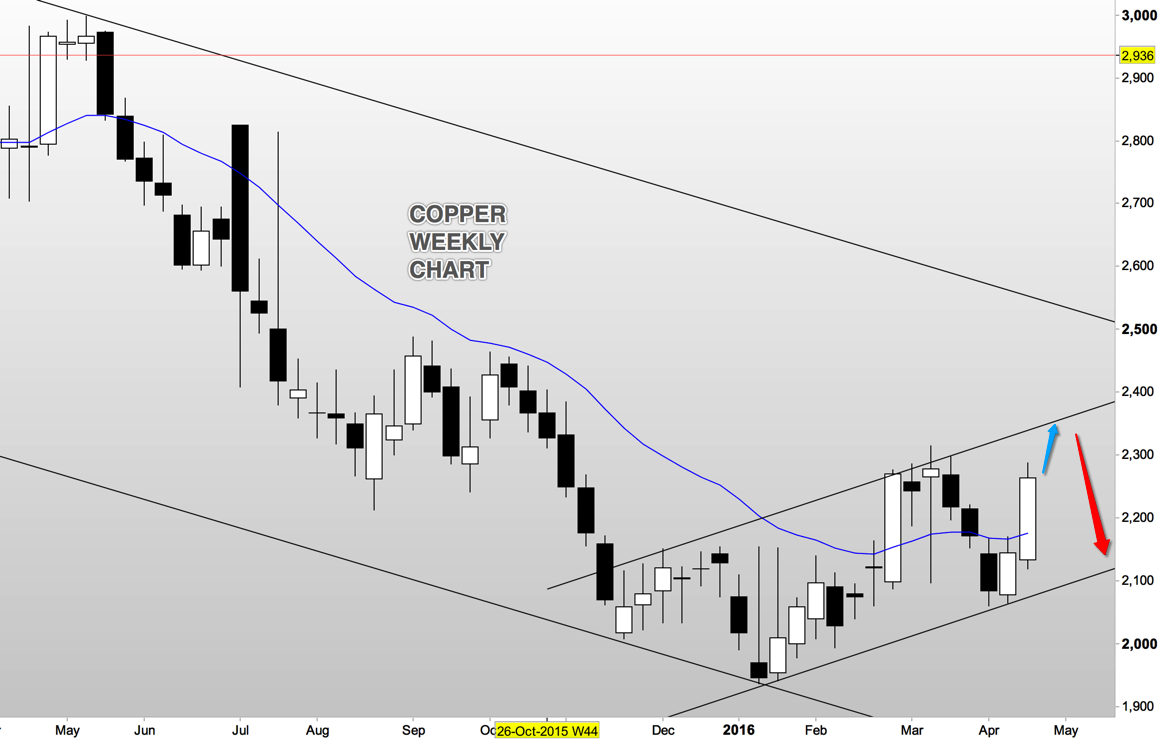
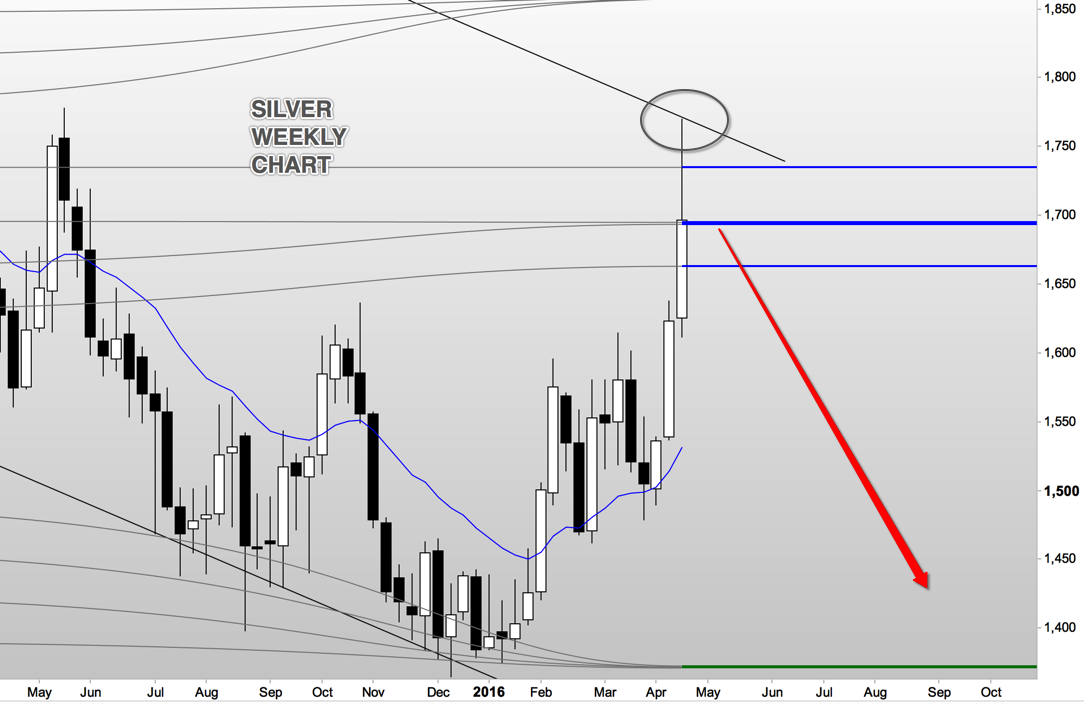
    Copper has had a strong week and finished high. Silver in particular has spiked up. Gold also increased but finished the week more or less even. Crude oil has finished the week reasonably strong. USD/CAD is still some way from turning up and will need careful management.

    Here they are in slightly more detail:

    Snip20160423_2

    My premise on Copper has changed. Copper, I feel, is some way from a big turn down. I would consider a small increase in price before a drop to our low 2 weeks previously – and then a possible climb. We will look for the best price to exit our copper trade.

    Snip20160423_4

    Silver has had a dramatic couple of weeks. Two strong weekly moves up taking silver from the one year trend line to the, higher, 10-year trend line; indeed, the price of silver bounced exactly off this line – marked with a circle. Always difficult to short when everyone else is long. But that is exactly what we did. Of importance, and supporting our case, the COT for silver shows commercials at an 8-year record with the number of shorts compared to longs. Hold onto your hat!

    Snip20160423_5

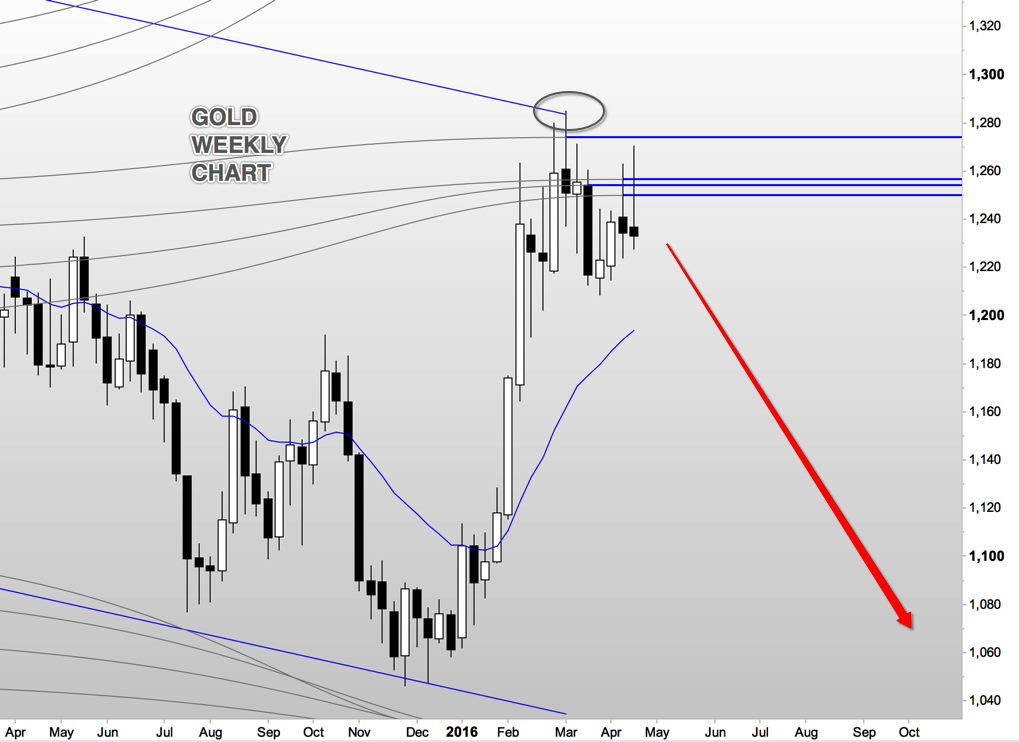
    Gold has not been as dramatic as silver. Up in price all week, gold finished low for the week supporting our prediction of gold progressing further down in price over the coming weeks.

    Snip20160423_6

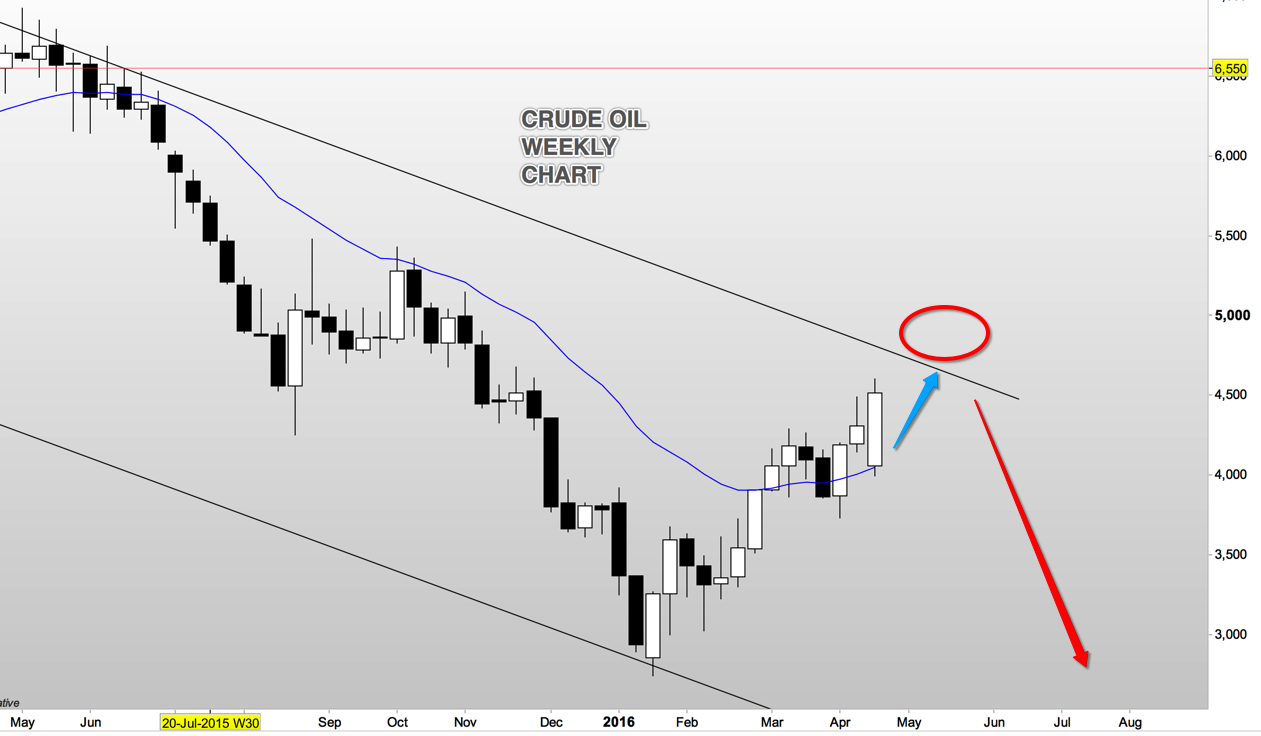
    I’m a supporter of a drop in price again in crude oil, but it may take its time. Price possibly getting to somewhere marked by the red circle. For now, we remain on the sidelines.

    Snip20160423_8

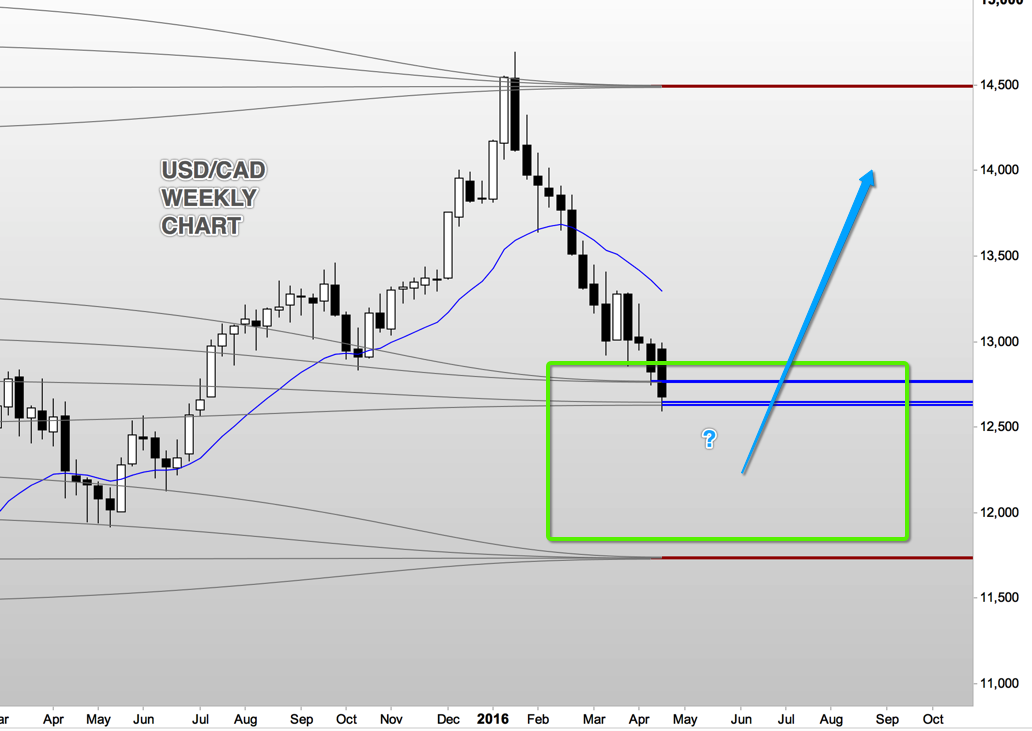
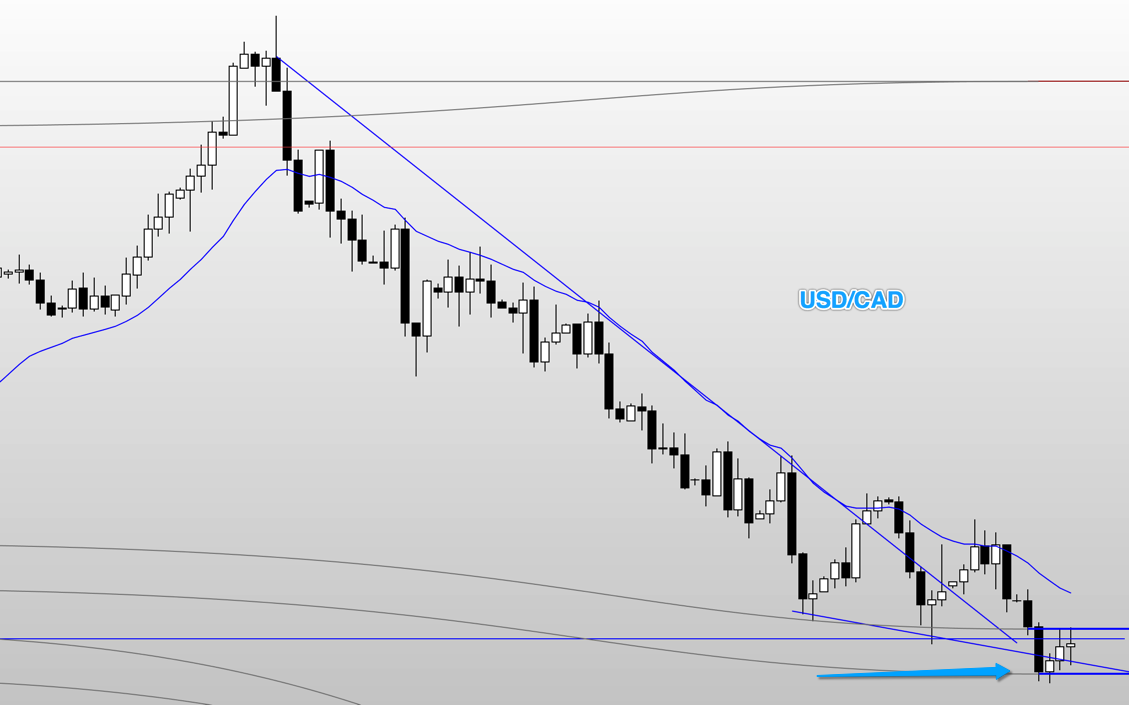
    USD/CAD price mirrors that of crude oil. Therefore, a trade on both is double the risk and a significant consideration. As with crude oil short, it is early days to consider USD/CAD long. A turn somewhere in the green box however is a good probability. But risk reward is excellent when we catch a trade early. Probability is the other major player in the traders equation; moreover, good management of early trades is essential.

  • Achieving excellent trade entries helps alot

    How our trades have progressed this week:

    Snip20160415_3

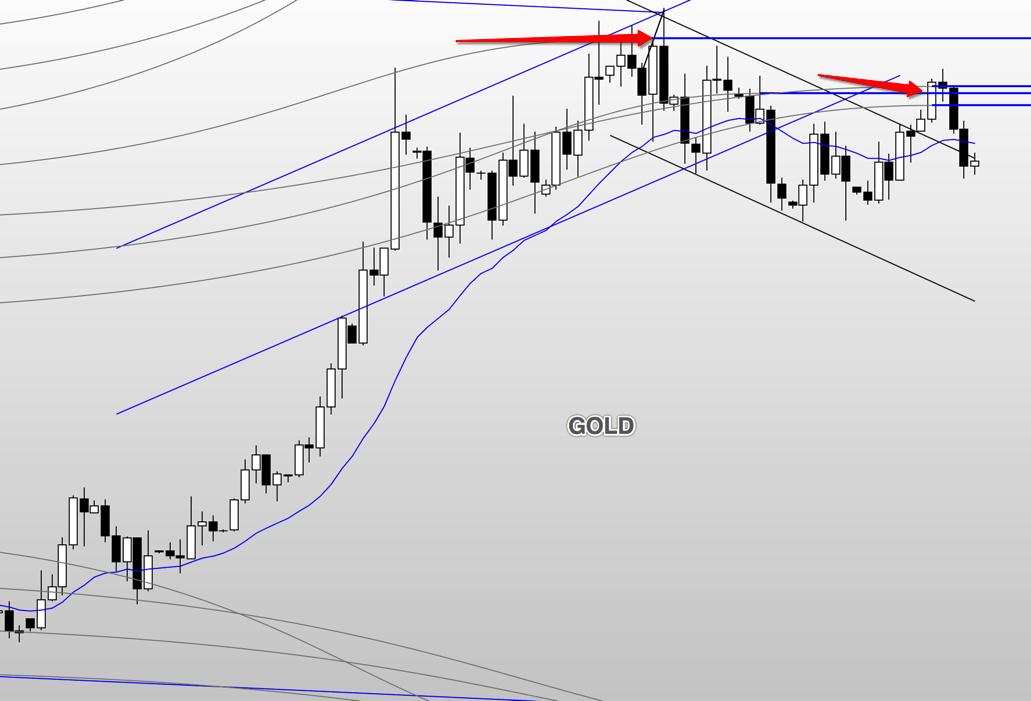
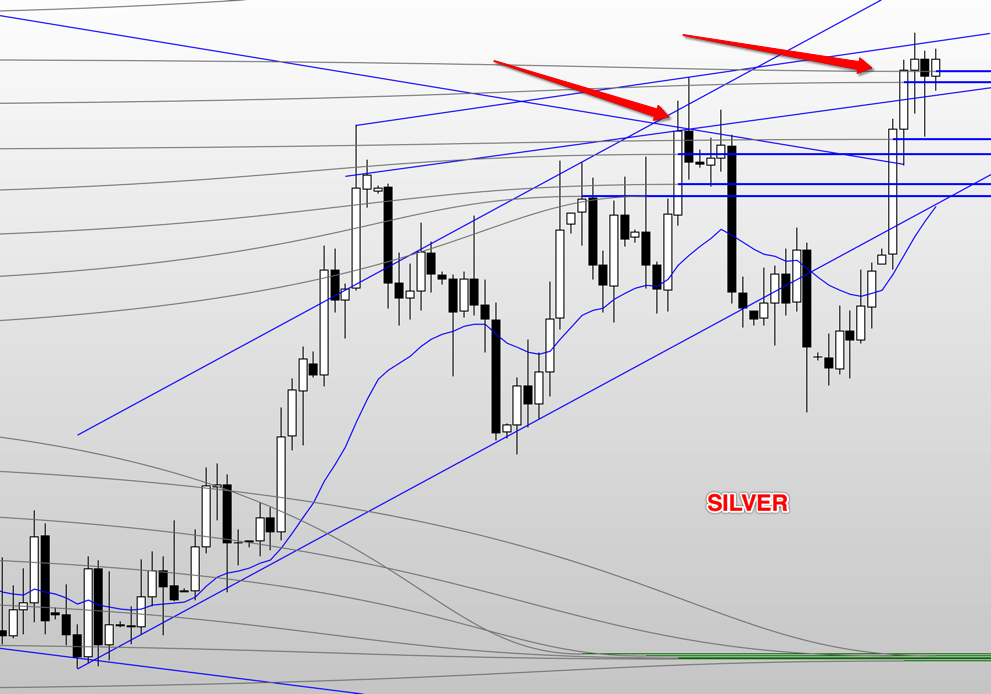
    We are short Gold. We shorted at the red arrows. That is, we expect the price to go down. If Gold goes down in price we gain. It is always difficult to find the best price and often it is simply ‘good is good enough’. But our first take here seemed excellent. Price this week had risen giving us a chance to add to our short. Again, this seems to be at a near top. We now have a lower high (the difference in height between the first and second arrow) and, therefore, the possibility of a continued drop in the price of gold, at least for a few weeks.

    Snip20160415_4

    We went long USD/CAD at the blue arrow. That is we want the price to increase. Our strategy starts with a major trend reversal, and that is often a difficult call. Probability of success is low at this stage, but reward, if it goes our way (up), is worth a trade. Our target is near the top of the screen shot.

    Snip20160415_5

    We first took Silver short at the left red arrow. Price went nicely our way – down. This week, however, has seen a good recovery in price. We entered again, short, at the second red arrow. This is a higher high – often not ideal for a short – but the three pushes up is good context for a trend reversal. From being nicely in the money, to out of the money, is part and parcel of our strategy. We hold until something tells us different, or until we get to, or near, our target. Our target is at the bottom of the screen shot.

    Snip20160415_6

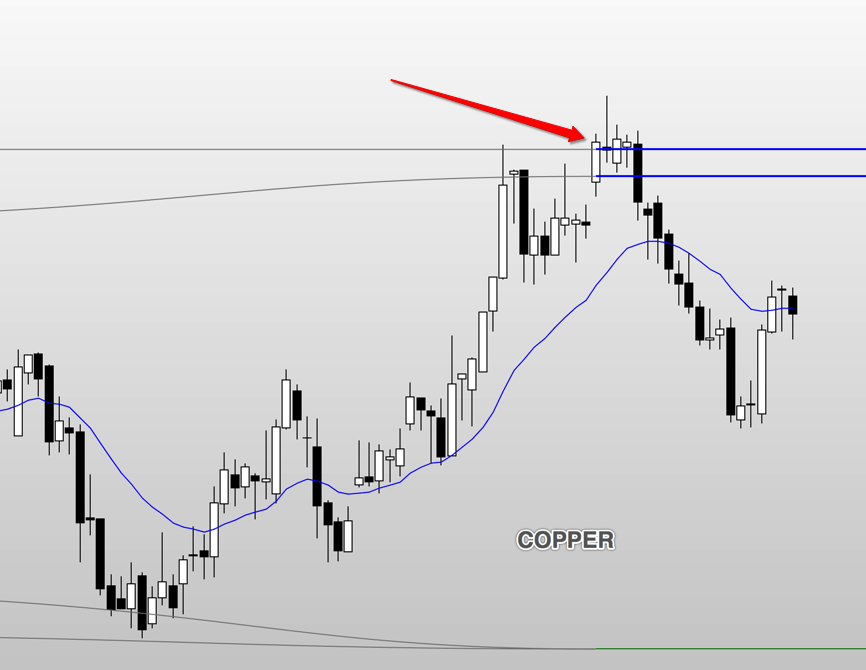
    We shorted Copper at the red arrow position. That is we want the price to go down, and so far, Copper has obliged. We continue to hold until target. The recent retrace in price this week was not sufficient for us to add to our short trade.

  • Trading methods that suit

    A serious trader or investor has to use a method that they understand and that gives them an advantage, an edge – no matter how small.

    That method, or way of trading, has to suit the traders personality. The method could be fast-moving, lower time frame, or slow-moving, higher timeframe. Or a combination of both.

    Emotionally, the method has to suit too. For example, most traders are comfortable trading relatively large positions on slower moving, higher time frame trades such as daily, weekly or monthly charts; however, are less objective with such trades on lower time frame situations such as intraday (day-trading) opportunities.

    Once we sort our emotional tolerance we then need to consider our ability to manage such trades. Do we have the time and the skills necessary to trade lower time frame situations. This is where a trade entry and exit on say a ‘swing’ trade can play out in 10 chart bars or less – which on a 2-minute chart is 20 minutes. The same trade using a daily chart would take some 2 weeks.

    I use three clear trading methods with clear time frames. I feel that in each of the methods I have a small edge, and that is vital. The methods are:

    1. 30-year investing using detailed fundamental analysis of company figures. I’m primarily looking here at finding a company that is selling at half price or less and one that has been consistently excellent for many years (usually 10 years). The company, importantly, needs to be a company that will still be here, and profitable, in 30 years. The calculations took Nick and me over 9-months to develop.
    2. I trade gold, silver, copper, crude oil, treasury bonds and USD/CAD both long and short, and only trade on very specific signals. Each trade is held for several weeks. This is where I mainly trade the Slow Trader fund. The strategy here is sound, tested and profitable.
    3. Intraday trading of any stock, commodity, index or FX that suits – my favourite is GBP/USD. Skilfully, managerially and emotionally intraday trades are the most difficult. Intra day is also immensely time-consuming and takes many years to become consistently profitable.

    You will notice that each method avoids the market crash timeframe of 5 to 15 years. Where most investment and pension portfolios are positioned. Yes, the 30-year method will go through a few crashes during its investment period, but over 30 years the crashes simply provide a ‘dollar-cost-averaging’ opportunity to invest more. The only important crash in the 30-year method that is of concern is the last one. I appreciate that as its 30-years it may not be me making this decision!