Tag: fundamentally

  • Slow Trader Diary

    Slow Trader fund up this week to + 5%.

    To report the fund each week encourages trades to be cashed too early to show a profit. That is silly. Therefore, I propose that the fund be reported, whenever possible, the first Saturday of each month.

    The diary of trades taken, good and bad, and those trades that are on the radar, will be discussed each week as usual.

    These are considerations coming up:

    Crude oil (WTI)
    Snip20151017_8

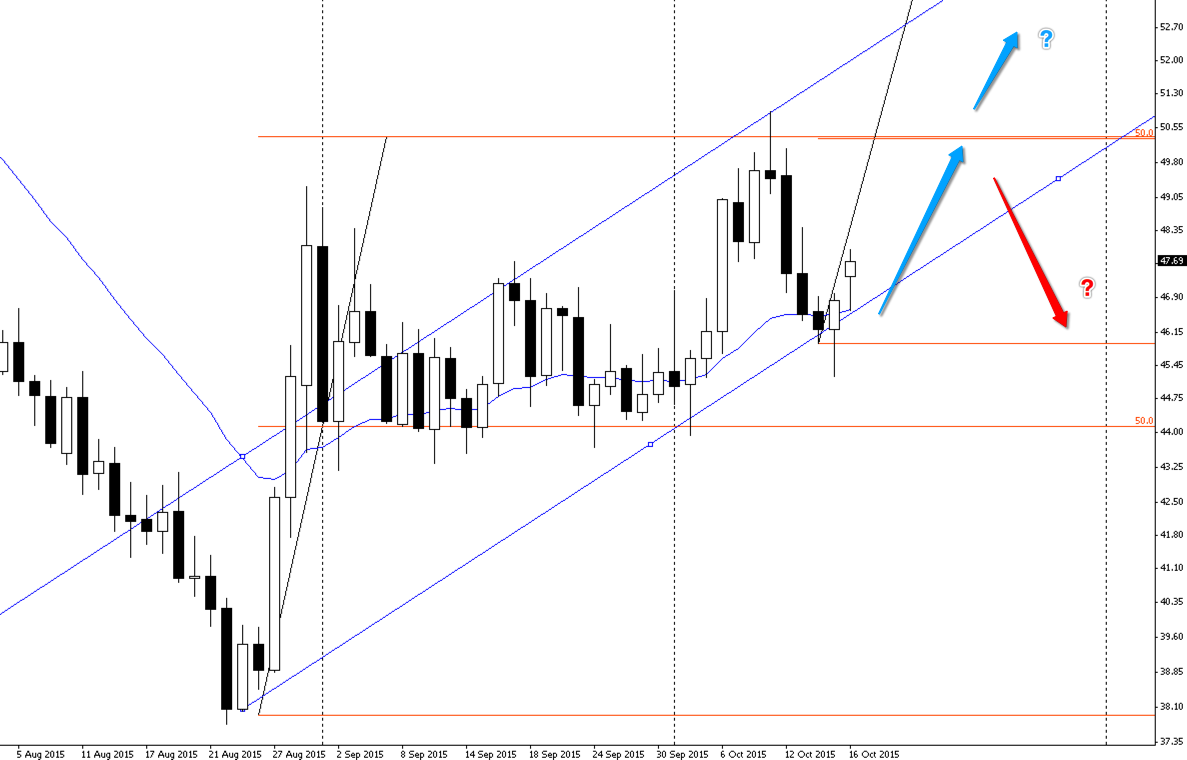
    We have a buy signal on the daily chart shown above. A 60% probability of WTI climbing to $50. After that the price may descend into a trading range, or may continue climbing for a measured move up to about $55. Whether we hold or not at the $50 line will depend on price action and momentum when, and if, we get there. Also, the COT is in our favour for this trade.

    Gold
    Snip20151017_11

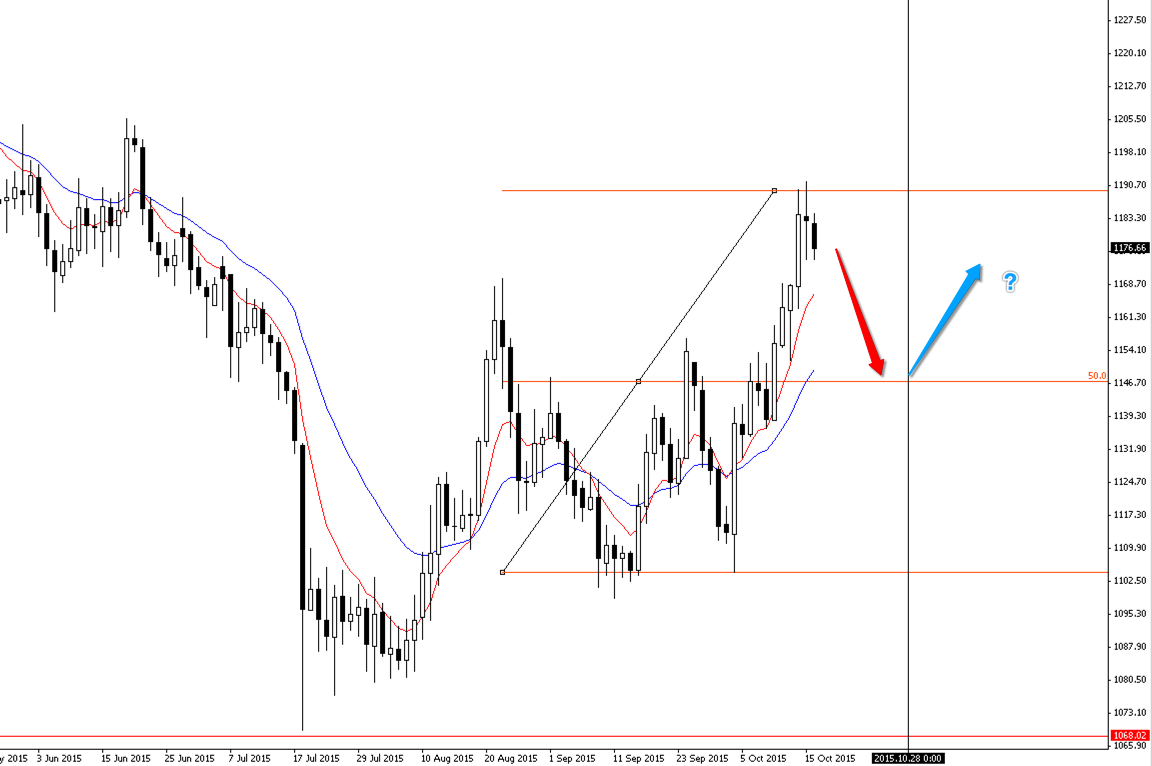
    Gold has provided a measured move up, in agreement with the COT. After a breakout on 2nd October, gold is now in a short term bull trend (a bull channel on the daily chart). It has reached a resistance level, however, and the likelihood is that price will fall back slightly (XAU USD) to $1150. Possibly forming a trading range just above its 5-year low. If this happens, we will look for a buy opportunity if price action and the COT agree.

    S&P 500

    The S&P 500 has broken above the resistance level that we discussed last week. The ratio has now swapped to 60% probability to the price climbing. Indeed, a new high could result in the coming weeks.

    This positiveness in the S&P puts a good light on stocks within the index. We will look for opportunities to buy ‘fundamentally’ good stocks as and when they provide price action buy opportunities.

  • Investing or Trading?

    Investing first:

    Investing is buying into something that appreciates. In stocks and shares, any price increase after about a year is 100% because of the fundamentals: the strength of the books, the management, the continued saleability of the underlying product….to mention a few.

    Most of us have investments in pensions or managed funds.

    Over a bunch of years the market goes up about 9% on average. However, somewhere between 7 to 15 years the market crashes. Timing is everything.

    Moreover, most pension and managed funds don’t beat the market, actually an astonishing 95% of them; on top of that, they charge several percent annually to do so.

    If we need our invested funds, 15 years before would be best, move it into something that is not market based, at least not ‘fundamentally’ based.

    Now for trading:

    Trading is generally over a shorter time frame and is mostly technical based: that is, the reaction of price when price reaches a support or resistance. In its simplest form, it is one person’s opinion (or computers) against another.

    And, as a computer does not have an opinion – it is of course emotionless – that presents the biggest obvious challenge to most human traders.

    Some 75% of trades are institutional based (the big money). The remainder is made up from other entities such as high frequency trading (HFT) systems, large hedge funds and the like. Smaller (professional) organisations and home traders represent less than 5% of the market.

    To be clear, when the (small) professional trader or home trader trades she is up against the institutions – computers mainly – so she better know her unemotional stuff.

    That is probably why few home based traders, particularly lower timeframe traders like day traders, make it. Cheery, eh.

    The one factor more than any responsible for successful trading is – no it’s not luck – is trade management, boring as that sounds. Good trade management always provides a positive traders equation of: risk, reward and probability.

    Without a clear calculation of each of these (and probability is often the one that is missed) then we are not trading but doing something else…gambling, maybe.