Who takes up retail financial market trading? I initially imagined that it would be young adults, the ones we see on the sports betting adverts, but I was wrong. It’s primarily professional people: engineers, doctors, dentists, lawyers and well-to-do retirees. But unlike our usual work, we struggle to be successful at financial trading.
Because, unlike our usual work, we are now dealing with uncertainty; and in this world, because we don’t understand the future, it is not possible to work rationally. To overcome this we look at the future by naive projection of the past. We are now in a world where 60% certainty (if we’re very good) is as good as it gets. We therefore look to a method and indicators to help make what is irrational seem more rational.
That brings me onto the decision of how to trade. The ‘how to’ question is probably one of the most difficult and important decisions a financial trader makes. However, as with choosing a career when we’re young, we do not have the experience to be sure we are making the right choice. Therefore, we are overly influenced by those around us.
In trading we tend to go with the method that we learnt from the first seminar we attend. We try that to the point of financial exhaustion and either quit, or if we’re particularly determined, we will venture to try another seminar and another method. And so the cycle continues until we achieve expert or get lost in the ‘dip’ somewhere.
With a little thought it does not need to be so difficult. We first need to find the broad category of trading method that suits us. If we stay away from the ‘get rich quick’ merchants (those advertising the secret or ‘the one thing’) then there are a lot of excellent tutors available.
We do need to find that broad category first however: no point in learning chess when what we really enjoy is the simpler pace of draughts (checkers). Once we have that broad method that we determine is the one for us, we can then go to work on the finer detail.
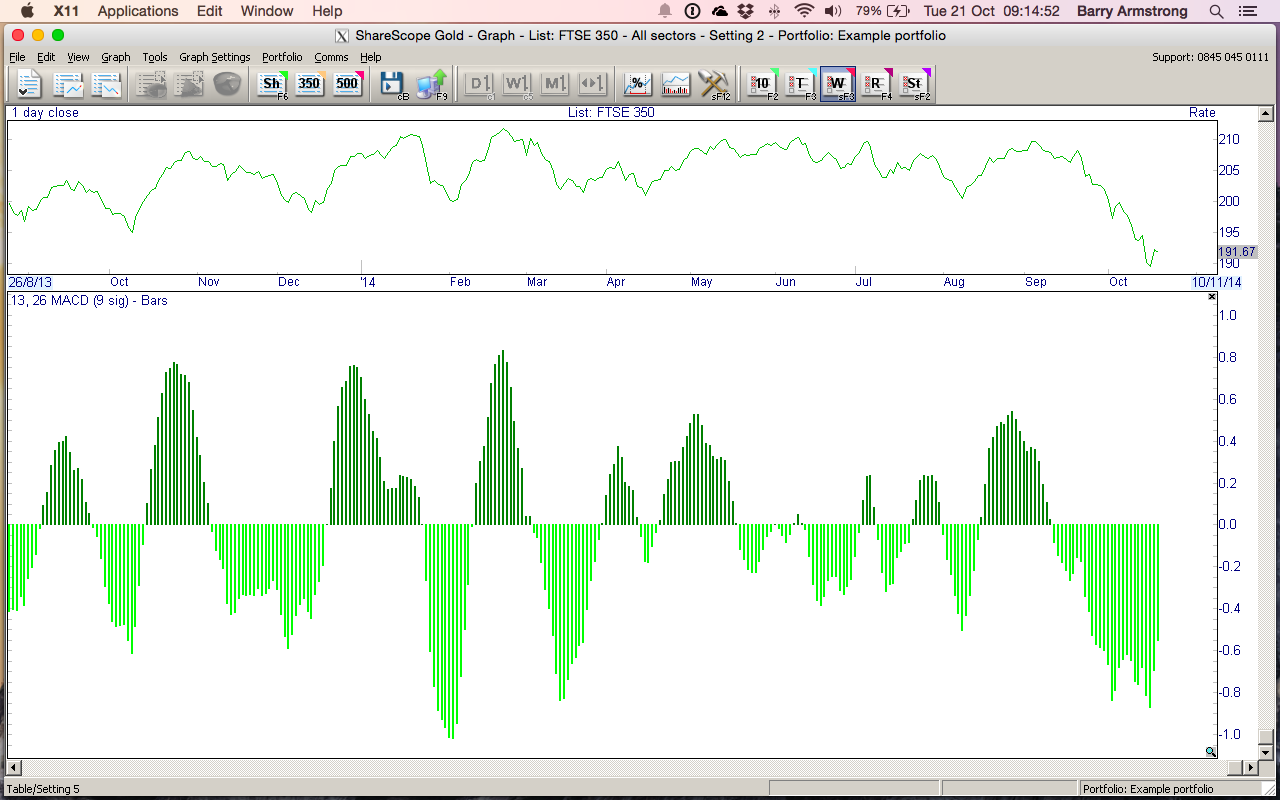
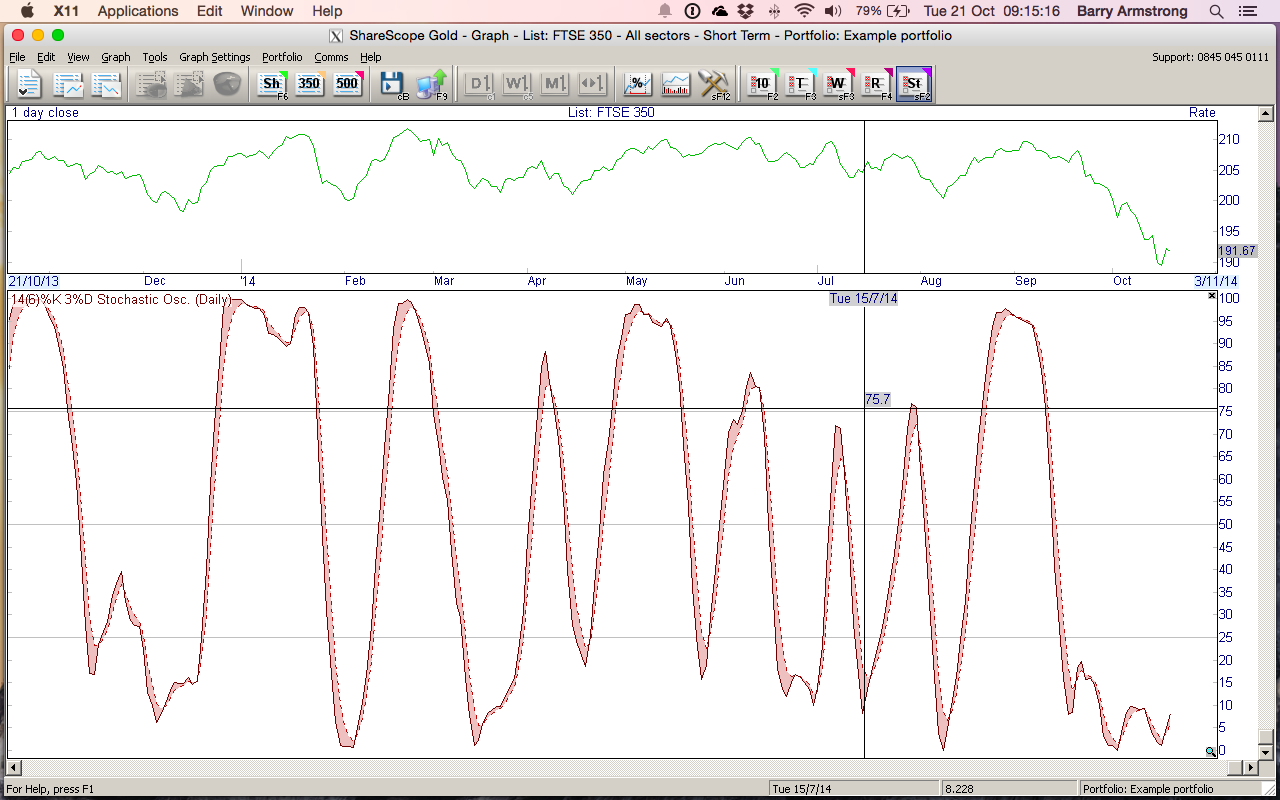
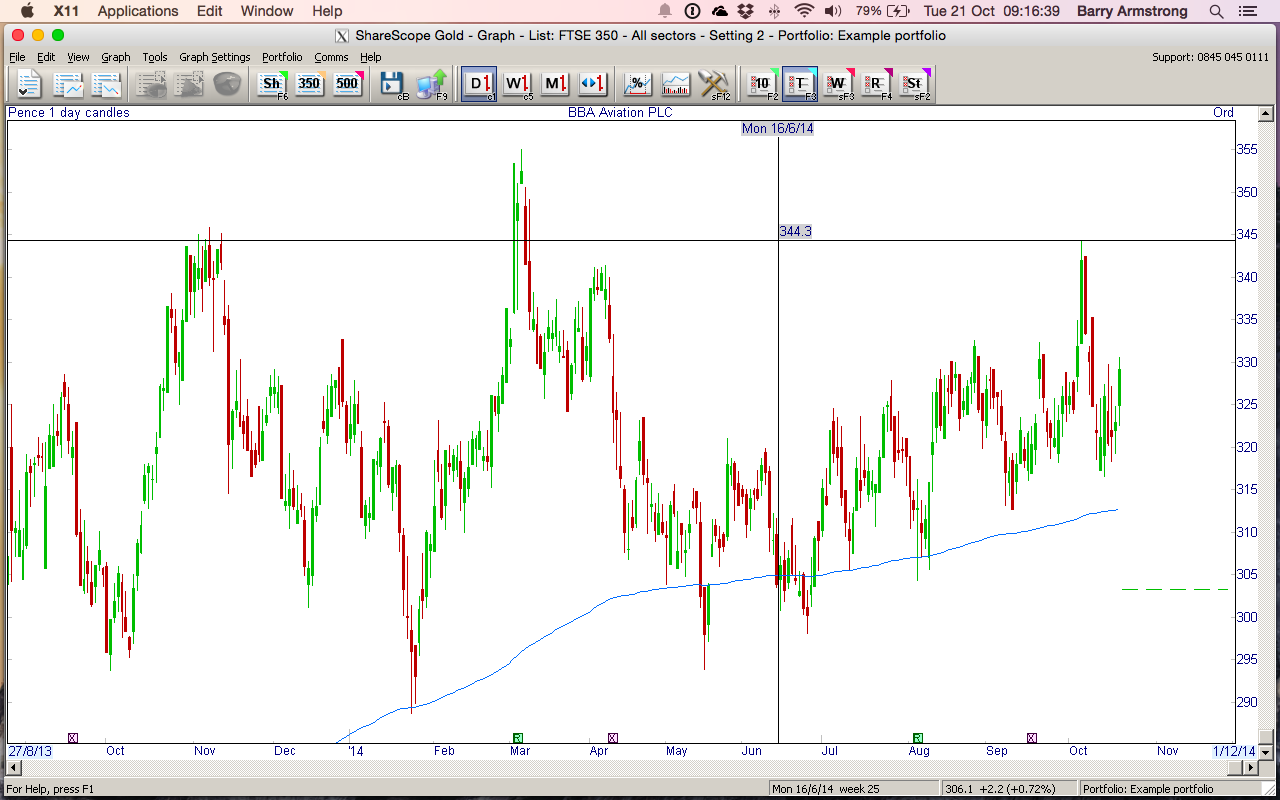
It took me a long time to find ‘price action’ as my prefered trading method. I notice also, looking through the internet, at great beginner introductions to price action that are available. Many however provide confluence ideas of price action with indicators: moving averages, Fibonacci retracement, stochastic overbought and oversold to mention a few.
That’s fine, we all start with all of these; they’re supports and we feel, and were told, we would be foolish to attempt to trade without them. However, price action is much more than this (or I should say much less because with true price action indicators are a distraction at best). Once price action is learnt we can deal very well with the irrationality of it all and we can strip away the supports. After all, even Bradley Wiggins, probably earlier than most, had to take the stabilisers off at some point.


 Slow Trader