There are many ways to trade. It is not important which trading method we choose as long as it works for us.
My own method comes under the general name of ‘Price Action’. Simply, this requires the ability to read raw chart information and can be used on all timeframes. Here’s a couple of charts: can you tell the timeframe?
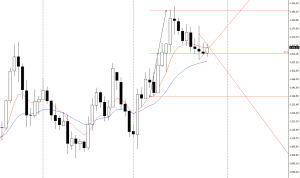
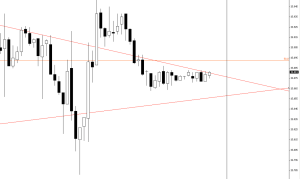
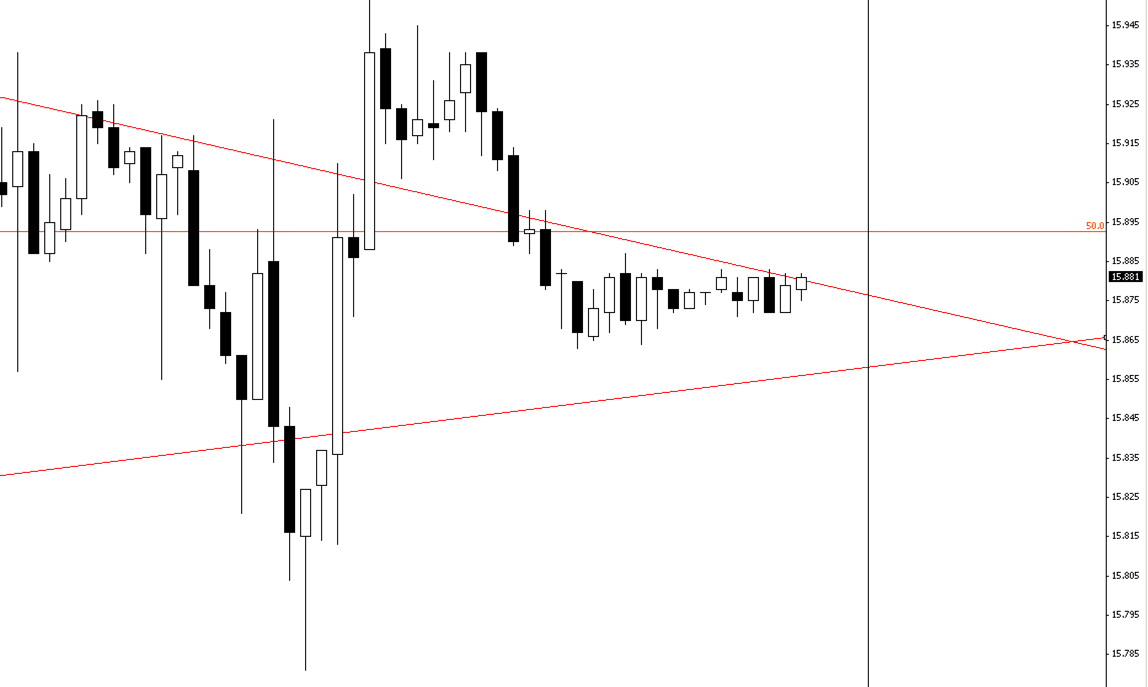
The top chart is a daily candlestick chart of Gold, and the bottom chart is a 15-minute candlestick chart of Silver. The point being that it is not possible to see a difference in these charts without the timeframe along the bottom. Price Action works similarly for all timeframes.
It is good, however, to ground ourselves on a certain timeframe and use only the neighbouring timeframes for clarification. For instance, if I were to use a daily chart to find a trade then I may venture to a weekly chart for guidance and possibly to the 4-hour, or even 1-hour chart, for final confirmation. But probably no lower. Equally, if I were trading from a 5-minute chart then the 15-minute, or possible the 1-minute, chart may provide some price clarification.
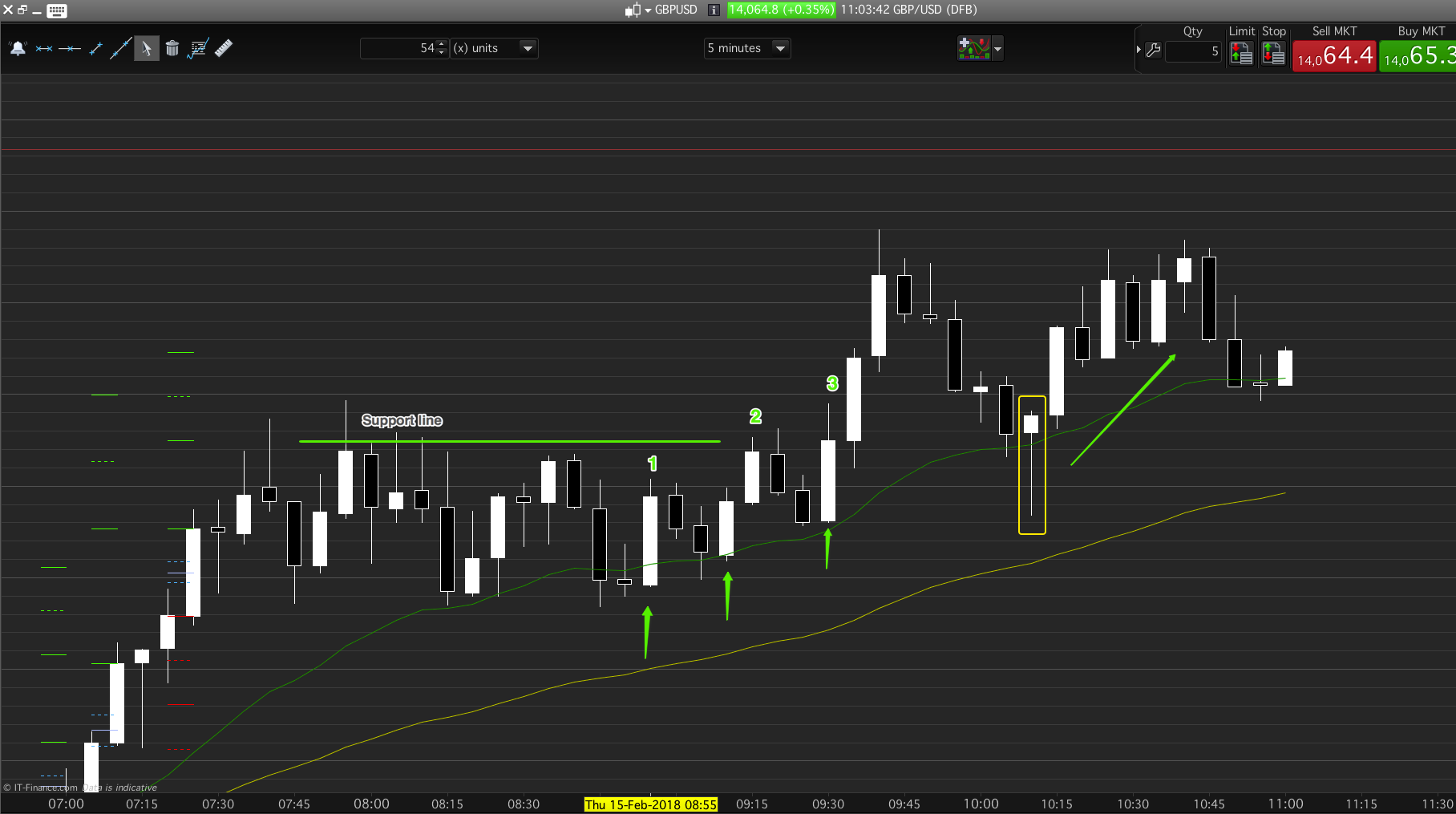
On another point, the distinctive parts of Price Action are: firstly, knowing the meaning behind each of the candlesticks …yes, they individually tell a story and the greater the timeframe the more defined is the story. Secondly, and more importantly, is the need for context – that is the story that is told by a stream of candlesticks. We may take a trade based purely on context but we would never take a trade based only on the distinction of a single candlestick. Too many trading methods and seminars base their teachings primarily on the story a single candlestick tells, where the real ability is in reading the stream, the context.
 Slow Trader