Tag: commodities

  • A bigger list needs a higher timeframe

    Traded on behalf of friends and family, the ‘slow trader’ fund has taken on a few changes over its time. We have achieved a gain of over 15% a year, reasonable but short of my ambition for the fund. Over 30% a year is acceptable. We had ventured into equities, taken on the commodities and, more recently, we mixed with the currency markets. Yet, what is more important is the system by which we trade. That is the area that has seen the biggest change. And rightly so, these things don’t develop overnight. Therefore it’s not so much the ‘what’ but more about the ‘how’. The how is already in our ‘how we trade’ page. This page gives a glimpse only and is meaningless to anyone that is not a price action trader, and even ‘they’ differ wildly in approach. It is understanding charts through context, set-ups and price action. And it works.

    My own trading time has been delayed over the last 12 months as James and I traded very small for many hours a day learning the ropes of this form of trading. Pop-in a major renovation of our family business and, well no excuses, but time goes. Moreover, I trade three accounts. A small account for grandchildren, a payment account and the slow trader fund. I trade the grand kids account at the beginning of the month until I achieve the return I’m after and then do the same with the payment account. Only then do I move onto the fund. This may or may not leave much of the month left for the fund. This is not making best use of our trading time. Being only so many trading hours in the day.  The best way to provide more trading time for the fund is to trade a higher timeframe. Obvious, but I didn’t want the distraction of this as I was developing and remodeling my price action system.

    Currently we trade a 5-minute chart and on one item. This provides several trades a day on average. I scale-in on some of the trades which increases entries but, nonetheless, is essentially within the umbrella of one trade. If we trade the fund on a higher time frame – a daily chart being our most sensible option – then we will need more items to trade. Price action can trade anything. Using daily charts our in-trade duration would be a few days to the extreme of a few weeks. Equities would require the consideration of annual results and other business calendar events. I’m therefore favouring a commodity, S&P and currency trading list. As follows:
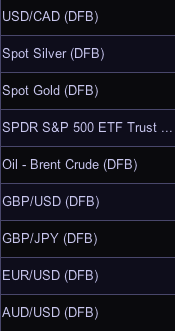
    snip20161214_2

    These provide us with enough items to give ample trading opportunities from a daily perspective. More importantly, through this higher chart we are not jostling for trading time with the other accounts. Our risk, probability and reward criteria will not change. I think we are ready for this, and look forward to its introduction at the start of the New Year, 2017.

    Merry Christmas and a happy (which for us means prosperous) New Year
  • How to invest

    I have written about investments before. But it is worth going over again.

    The problem is the medium term investment area. Where most of us have our investments. Mutual funds, pensions and the like. This is the near term to 25 year investment timeframe.

    The investment area that works, if done correctly, is following Warren Buffet’s example of investing in undervalued stocks and holding for more than 30 years, indeed he doesn’t sell.

    The other area that works, but is difficult to master, is the very short-term stuff. I cover this every week in this blog.

    Okay, we have only two time-frames that we can invest with confidence: the very long and the very short.

    Why does the middle investment area not work? because of market volatility and the probability of a market crash within that time frame.

    A market crash for the Warren Buffet model, the very long-term investors, is just a blip in the big scheme of things. Not a problem. In the Buffet model we go through many crashes and use them as opportunities to add more stocks.

    A market crash for the day traders and daily chart readers (like myself) is not normally an issue because the signals of a crash will show on the day and get out stops are very tight for these type of investors. Actually, for these guys, if they’re good, a crash is a big payday. They’re taking it all from the mutual funds.

    For the Warren Buffet followers among us we need excellent fundamental information which we review annually. This information we’ll cover in another blog.

    On the other extreme, the short-term investors, day trading and daily chart reading, is not for everyone.

    So that leaves us back with what to do about the middle timeframe investing problem.

    If we have to be a middle term investor then avoid the traditional, heavily biased towards stocks, mutual funds.

    Watch carefully where the mutual fund invests. Few funds balance investments between cash, stocks, bonds and commodities. Funds that do this, and not being more than 25% invested in stocks, are extremely steady funds and good medium term investments.

    If we do have to go the mutual route then costs are a big factor. For every 1% that we pay a mutual fund will result in 20% to the fund managers over the medium time frame. Look for a cost of around 0.5%, no more. Same goes for pension funds.

    The majority of mutual funds, however, invest more heavily in stocks and most don’t beat the index. These mutual funds are in the danger zone. When a stock crash happens the fund profit and much of the capital is wiped out. Allow several years to get back to neutral. Not a lot of fun.

    So, if we have to invest in the middle term investments then look for: a fund (mutual and pension) that has low fund costs; and an investment portfolio that balances bonds, cash, commodities and stocks – and is particularly light on stocks.

  • Slow Trader Diary – week 39

    We remain just above even. No trades taken this week.

    The week was spent trading small amounts with my personal fund (£1 per point in the currency pairings).

    This gives me the chance to work through, and live trade, many of the lessons from the holiday modules with small risk.

    It would be silly to just jump straight in. Trading is like any other demanding job, you need to work your way back in after a break.

    Slow Trader is daily charts and therefore not day trading; however, the day trading techniques I use in my personal account are the same for slow trader with the daily charts. What I do in one day with day trading takes a week or so using daily charts. However, daily charts are more defined to my mind; and, as I trade much larger amounts through the daily’s, I need to be on my game. Daily’s are my prefered charts.

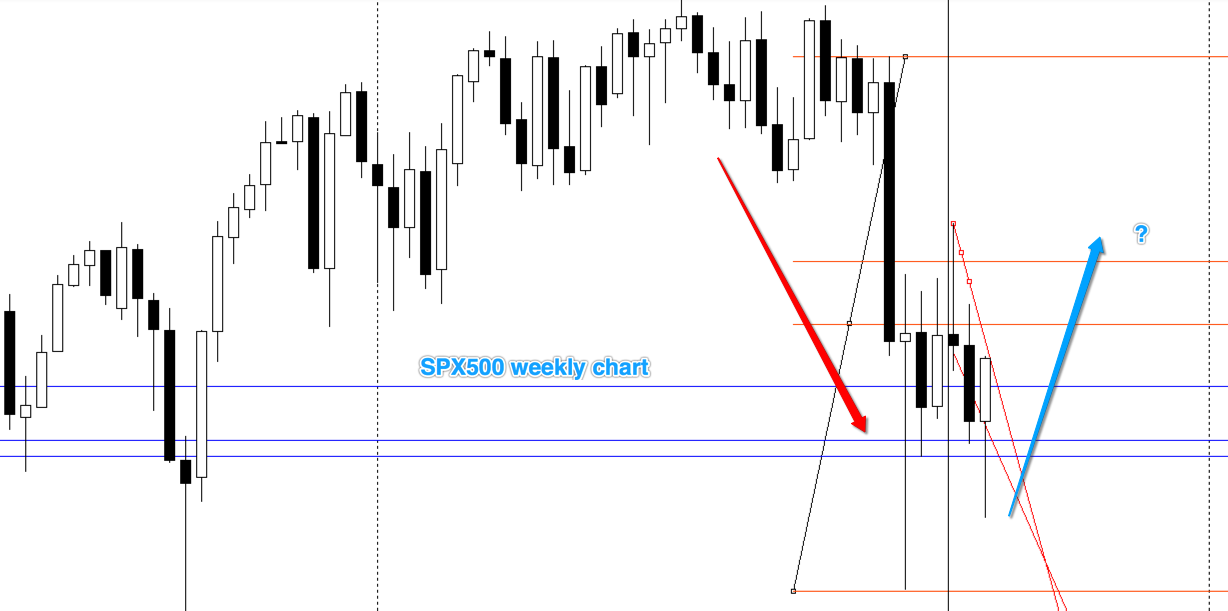
    Due to the China situation, both the S&P and the FTSE have seen a large drop since August. That will be reflected in individual stocks and shares of course. I am watching the S&P for a turn.

    Snip20151003_2

    Commodities to keep an eye on:

    Coffee price is at a 10 year low. The COT report supports an increase in Coffee but it’s early days. As coffee price increases we can look to see what effect this has on coffee companies such as Green Mountain.

    Gold is at the same price that it was in 2009. Gold price remains uncertain. The COT is a buy and gold shot up yesterday in reaction to the US nonfarm payroll monthly report. From our point of view, however, gold is now a wait and see.

    Crude oil is, as we all know, at a significant low. The COT is at a minor buy stage. However, the trend down for crude is so strong we would need to see an established move up before considering buying. Most amateurs will buy crude thinking it can only go up…..not sure about that one. I certainly would need to see evidence first before committing. Okay, we miss the very bottom and therefore maximum gain, but to try to find the bottom is very weak in terms of probability, actually it’s foolish.

    Currencies:

    Those not thinking that we live in a global economy should have watched the nonfarm payroll at exactly 1.30pm yesterday. The results were not favourable to the US and most major currencies (including the S&P) moved, simultaneously, the price difference of a big trading day in less than a few seconds. Eye watering stuff.

    As a trader the above shows the importance of knowing the big event news item times. I do not trade the news, for me the probability of getting it right is too low.


  • Ferrari Fund, 17th November 2015.

    Ferrari started 17th November 2014.

    This fund, similar to Slow Trader, will be run as a hedge and will concentrate on FTSE 350 and S&P 500 equities.

    Ferrari will also buy and sell commodities via ETFS.

    As with Slow Trader, this fund is closed to new investors until its anniversary.

    Screenshot 2014-11-25 12.59.16